 Shivam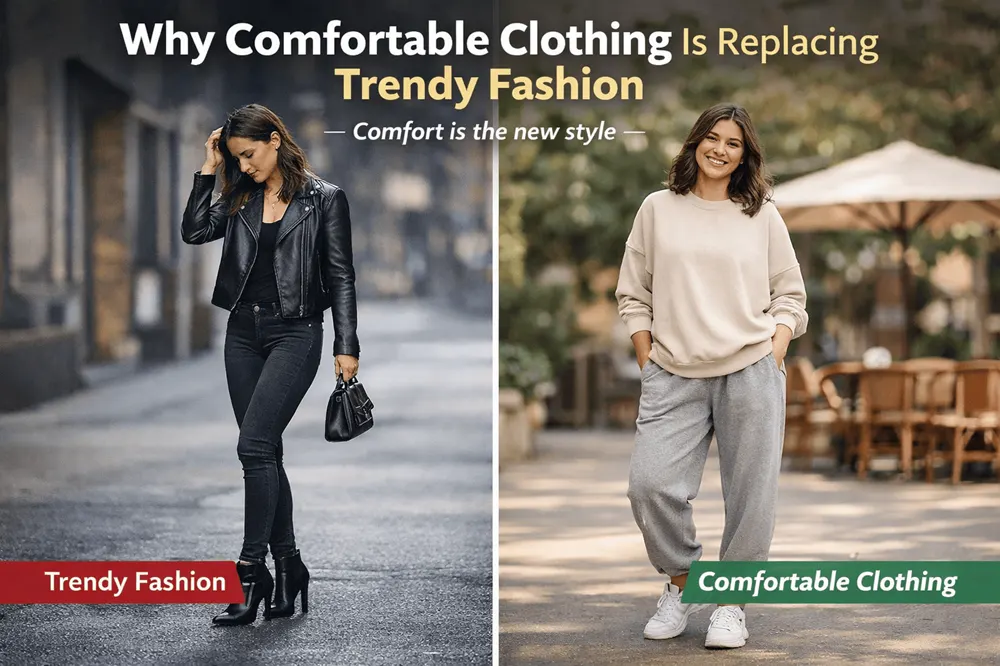
Comfortable clothing is replacing trendy fashion due to a shift in consumer priorities toward mental well-being, practical lifestyles, and post-pandemic habits. Modern fashion now prioritizes “feeling good” over “looking good,” driven by the rise of athleisure, oversized fits, and workplace dress code relaxations. Today, confidence is linked to physical ease rather than restrictive, high-fashion trends.
Why are we choosing “Feeling Good” over “Looking Good”?
In the past, the fashion industry dictated that looking stylish required sacrifice. We squeezed into tight denim and heavy fabrics because that was the “standard.” However, a massive cultural shift is happening.
I recently visited a local mall and the change was undeniable. A few years ago, mannequins were draped in stiff formals and fitted silhouettes. Today? It’s all loose trousers, oversized tees, co-ord sets, and soft cottons. Even the retailers I spoke with confirmed that fabric quality and physical comfort are now the primary reasons a customer makes a purchase, often more important than the brand name itself.
How did the Work-from-Home (WFH) era change fashion?
The most significant catalyst for this change was the global shift to remote work. For two years, the world prioritized “zoom-ready” tops and pajama bottoms. This wasn’t just a temporary phase; it was an education in comfort.
As we returned to offices, the “Casual Friday” vibe expanded into the entire week. Many companies now embrace:
-
Relaxed Dress Codes: Swapping stiff blazers for soft knits.
-
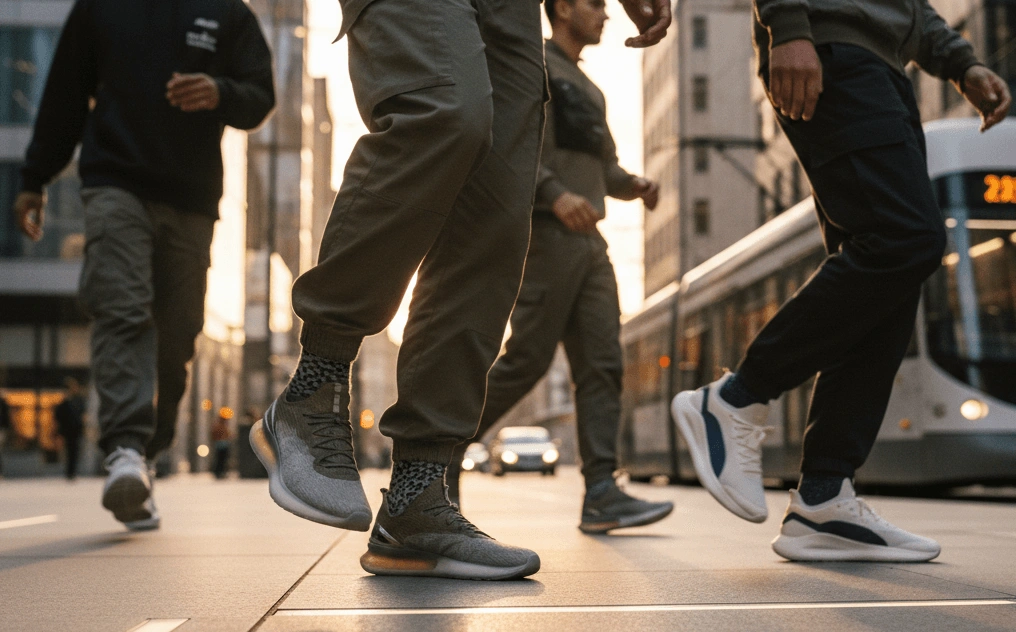
The Sneaker Revolution: Replacing uncomfortable dress shoes with high-quality trainers.
-
Athleisure: Clothes that transition seamlessly from a morning walk to a business meeting.
Does comfortable clothing actually boost your confidence?
There is a common myth that “baggy” or “simple” means “lazy.” In reality, comfort is a massive confidence booster. When you aren’t constantly adjusting a tight waistband or dealing with itchy fabric, your brain is free to focus on your work and social interactions.
I personally tested this. I traded a trendy, restrictive outfit for a high-quality oversized cotton tee and relaxed pants. Not only did I feel more present, but I received more compliments on looking “clean and effortless.” It proves that true confidence comes from being at ease in your own skin—and your clothes.
Why is social media promoting realistic fashion?
Earlier, high-fashion magazines promoted an unattainable and often uncomfortable aesthetic. Today, platforms like Instagram and TikTok are dominated by “Real-Life Fashion.”
Influencers are now showing how to style “basics” in a way that looks expensive but feels like loungewear. This relatability is a core part of modern fashion. We no longer want to look like a runway model; we want to look like the best, most comfortable version of ourselves.
The Comparison: Trendy vs. Comfortable Fashion
To understand why the “Comfort First” movement is winning, look at how the priorities have shifted:
| Feature | Trendy Fashion (Old Model) | Comfortable Clothing (Modern Model) |
| Primary Focus | Visual Aesthetic/Impact | Physical Sensation & Ease |
| Fit | Often Tight or Restrictive | Breathable & Ergonomic |
| Longevity | Fast Fashion (Short Life) | Versatile & Sustainable |
| Lifestyle | Event-Specific | Every-Day Friendly |
Is the comfort trend here to stay?
As a blogger observing these trends, I believe this isn’t just a “trend”- it’s an evolution. This shift aligns with broader global movements like Body Positivity and Mental Well-being. We are finally rejecting the idea that we must “suffer for fashion.”
Modern fabric technology is also getting better. We now have materials that look like professional wool but stretch like yoga pants. This marriage of “style” and “comfort” ensures that we will never go back to the restrictive clothing of the past.
Frequently Asked Questions (FAQs)
1. Does wearing comfortable clothing mean looking unprofessional?
Not at all. The modern “Workleisure” trend has bridged the gap between comfort and professionalism. You can look sharp in breathable fabrics like linen or high-quality knits and “smart” trousers that offer stretch while maintaining a formal silhouette.
2. Why is comfort suddenly more important than fashion trends?
This shift is driven by a combination of the post-pandemic work-from-home culture, a rise in mental health awareness, and busy lifestyles. People now realize that physical discomfort can increase stress, whereas comfortable clothing supports productivity and confidence.
3. What are the best fabrics for a comfortable yet stylish wardrobe?
To balance style and ease, look for natural fibers. Organic cotton, Bamboo, Linen, and Tencel are excellent choices. These fabrics are breathable, soft on the skin, and have a premium look that synthetic materials often lack.
4. Can oversized clothing look good on all body types?
Yes! Oversized fashion is a key part of the comfort movement and is very inclusive. The secret is “proportion play”—if you wear a loose top, pair it with slightly more structured bottoms, or vice versa, to ensure the outfit looks intentional rather than messy.
5. Is the “Comfort First” trend just a temporary phase?
Based on current market data and consumer behavior, no. Major brands are permanently shifting their production toward athleisure and relaxed fits. As body positivity and practical living continue to grow, the demand for comfort-based fashion will likely remain the standard for years to come.
Final Thoughts for Talkify Readers
Fashion is no longer a cage; it’s a tool for self-expression. Comfortable clothing is replacing trendy fashion because it respects the wearer. As I always say, comfort never goes out of style. When you feel good, you naturally look good.